
Why Payroll Complexity Is Forcing Firms to Rethink Their Software Stack
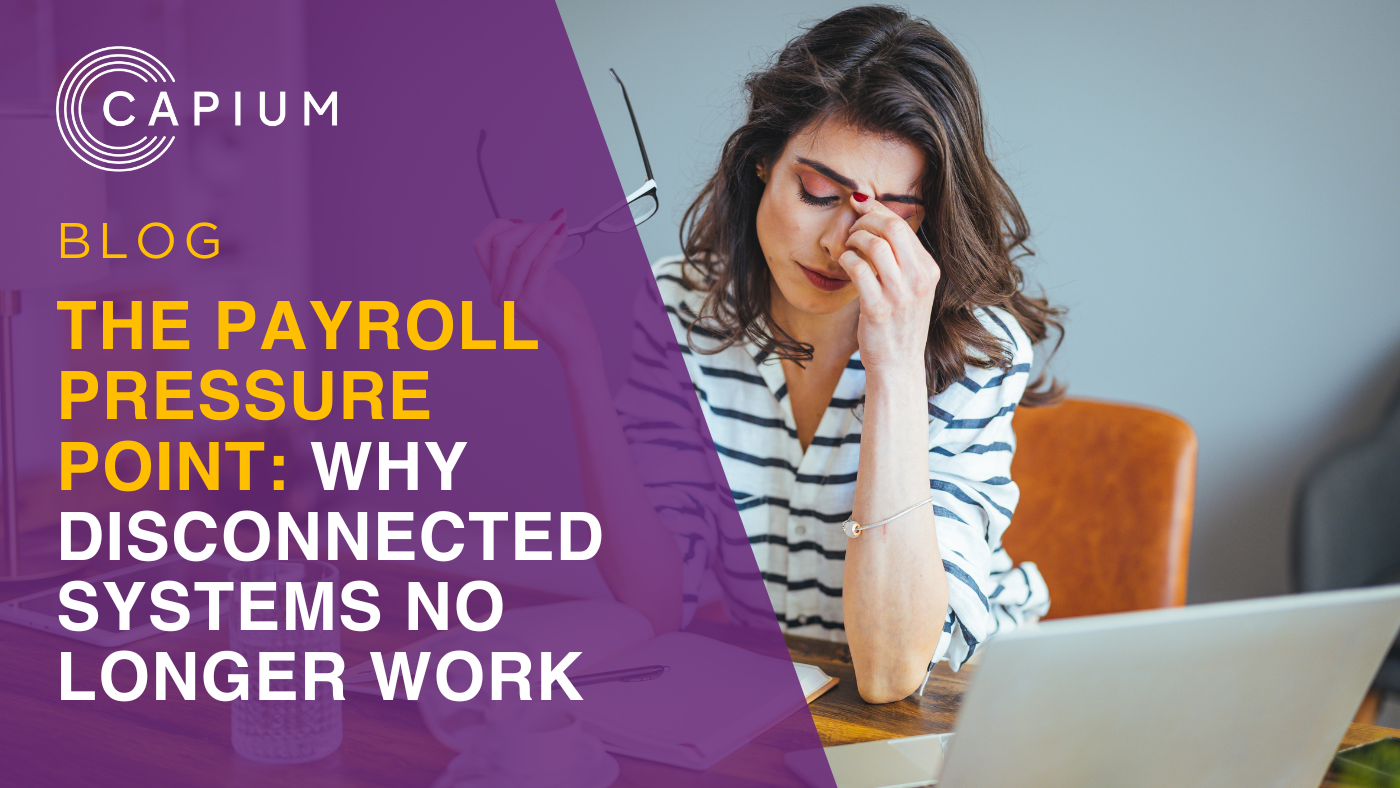
Payroll has always been a core service for UK accounting firms. But over the last few years, it has quietly become one of the most complex, risk-sensitive, and resource-intensive service lines to deliver.
Between regulatory change, real-time reporting, pensions, employee expectations, and increasing client demand for faster data, many firms are discovering that payroll is no longer something that can sit comfortably in a disconnected or legacy software environment.
Instead, payroll complexity is becoming one of the biggest drivers behind a wider shift: moving towards fully integrated, cloud-based accounting software stacks.
Payroll Is Becoming Operationally More Complex, Not Less
Modern payroll extends far beyond calculating wages and submitting RTI files. Today’s firms must manage:
- Real Time Information (RTI) reporting requirements
- Pension auto-enrolment compliance
- Statutory payments and leave calculations
- Frequent legislative updates
- Increasing expectations for real-time reporting and visibility
Industry research shows payroll teams now spend significant time managing compliance risk, regulatory change, and data accuracy rather than simply processing payroll itself.
At the same time, many payroll departments still rely on manual steps or disconnected systems, increasing the risk of errors, duplication, and delays. This is exactly why software strategy is moving from “best tool per task” to “best connected platform overall”.
The Hidden Cost of Disconnected Payroll Software
Many firms historically built their software stack by adding tools over time:
- One system for bookkeeping
- Another for tax
- Another for payroll
- Another for reporting
This approach worked when data moved slowly. But in a real-time, compliance-heavy environment, it creates friction.
Common challenges include:
- Re-keying payroll journals into accounting systems
- Managing multiple logins and user licences
- Increased reconciliation time
- Limited real-time client visibility
- Higher training and onboarding costs
Integrated cloud accounting platforms remove these friction points by allowing payroll, accounting, tax, and reporting data to flow automatically across modules. Integrated systems also support automation and centralised reporting, both of which are becoming essential for scaling payroll services profitably.
Cloud Integration Is Becoming a Competitive Advantage
Cloud accounting adoption has accelerated because firms want:
- Real-time financial data
- Automation of routine processes
- Reduced manual data handling
- Better collaboration between teams and clients
- Scalable service delivery without proportional headcount growth
When payroll sits inside an integrated cloud accounting suite, firms typically gain:
Time Efficiency
Automated journal posting, shared client data, and unified reporting reduce manual processing time.
Lower Compliance Risk
Single-source data reduces inconsistencies between payroll, accounts, and tax reporting.
Better Client Experience
Clients receive faster answers, clearer reports, and more proactive advice.
Payroll Complexity Plus MTD IT Equals Stack Consolidation Pressure
The shift towards integrated platforms is not just about payroll. Making Tax Digital for Income Tax (MTD IT) is accelerating the need for connected systems. Firms now need to manage:
- Digital record keeping
- Quarterly submissions
- Final declarations
- Ongoing client data monitoring
If payroll, bookkeeping, and tax data sit in different systems, quarterly workflows become significantly harder to manage at scale. This is why many firms are now prioritising platforms that support multiple compliance workflows inside one environment.
Why Firms Are Moving Towards Integrated Platforms
Modern integrated cloud suites are designed around how practices actually deliver services today. Key capabilities firms are prioritising include:
One Platform, Multiple Compliance Workflows
Accounting, tax, payroll, reporting, and MTD IT working together rather than separately.
Flexible MTD IT Client Delivery
Supporting:
- Bridging for spreadsheet-based clients
- Cloud bookkeeping for transitioning clients
- Automation and record capture tools for complex or multi-income clients
- Commercial Scalability
Firms want software costs and operational complexity to scale predictably as they grow.
Lower Training and Adoption Friction
Intuitive design reduces onboarding time for staff and clients.
The Strategic Shift: From Tools to Platforms
The biggest change happening across UK practices is not just technology but mindset. Firms are moving from asking “What is the best payroll software?” to “What platform lets us deliver payroll, tax, and compliance efficiently together?”
Payroll is often the catalyst because it exposes inefficiencies faster than most service lines.
What This Means for Firms Planning the Next 3-5 Years
Firms that proactively review their software stack now are typically aiming to:
- Reduce operational risk
- Prepare for MTD IT at scale
- Deliver more advisory using real-time data
- Protect margins as compliance workload increases
- Simplify training and onboarding
Those who delay often find complexity compounds as regulatory and reporting requirements expand.
The Strategic Shift Facing Modern Practices
Payroll complexity is not temporary but structural. For many firms, it is the trigger that forces a wider question: Is our software stack helping us scale or slowing us down?
Integrated cloud accounting platforms are no longer just about convenience. They are quickly becoming essential infrastructure for delivering modern accounting services efficiently, compliantly, and profitably.
The firms that recognise this shift early will be best positioned to turn increasing regulatory complexity into a competitive advantage rather than an operational burden.
Thinking about making the switch?
If you’re reviewing your current setup, or planning ahead for MTD IT, it may be worth exploring what an integrated platform could look like for your firm. Book a no-obligation chat with the Capium team today to see if Capium’s Payroll could be the right fit for your forward-thinking practice.